
Case Study
EC-Drill® Technology
Accurate formation limit testing with Controlled Mud Level
Read more
Explore the key challenges in modern offshore drilling and see how Enhanced Drilling’s solutions help operators improve performance, reduce risk, and enhance well integrity.
Our technologies are categorized by drilling phase – helping you find the right solution faster.
%20(1).png?width=1948&name=Well%20Diagram%20-%20Top%20Hole%20Section%20(without%20CTS)%20(1).png)


This guide explains the fundamentals of Controlled Mud Level (CML), how EC-Drill® applies this method in deepwater operations, and where it fits among other pressure management approaches. Explore the sections below to learn about deepwater drilling challenges, operational considerations, pressure management principles, and field experience.
Deepwater wells often involve narrow pressure margins, complex well architecture, and operational constraints making pressure management a necessity. This page explains how Controlled Mud Level (CML) is applied using EC-Drill®, the deepwater challenges the method is commonly used to address, and where it fits among other pressure management approaches.
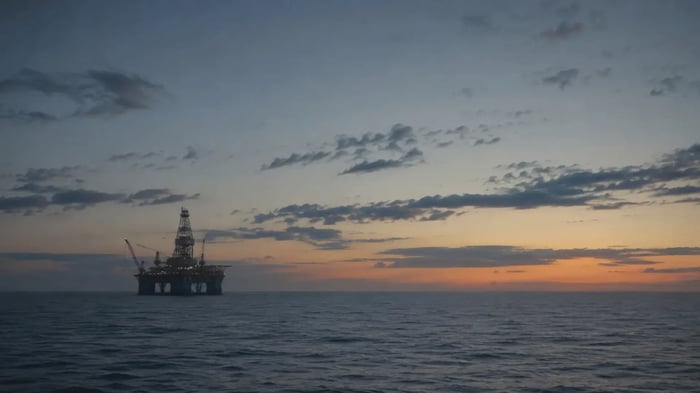
Deepwater drilling presents a unique set of operational challenges compared to conventional offshore and onshore drilling.
As water depth increases, wells become more technically demanding to design and execute. High temperatures and pressures, narrow pressure margins, higher operational costs and complex well construction are key factors in deepwater drilling.
For operators, the objective is not simply reaching target depth. It is maintaining operational control while balancing safety, efficiency and well economics throughout the operation.
Several factors contribute to the complexity of deepwater drilling.
Deepwater wells typically involve:
Small operational deviations can therefore have significant consequences for cost, schedule and well design.
As water depth increases, maintaining the desired pressure profile throughout the well often becomes more challenging.
Operating within a narrow pressure window is a common challenge in deepwater drilling.
The drilling process must maintain sufficient pressure to prevent formation influx while avoiding pressures exceeding fracture limits. When the distance between these limits becomes small, maintaining the desired pressure profile can become increasingly difficult. This may influence flexibility during drilling, tripping and other critical activities.
These constraints will also affect well design decisions. In some cases, additional casing strings may be required to manage the pressure window, increasing well complexity and potentially reducing reservoir exposure. As a result, maintaining the desired pressure profile often becomes an important consideration during both well planning and execution.
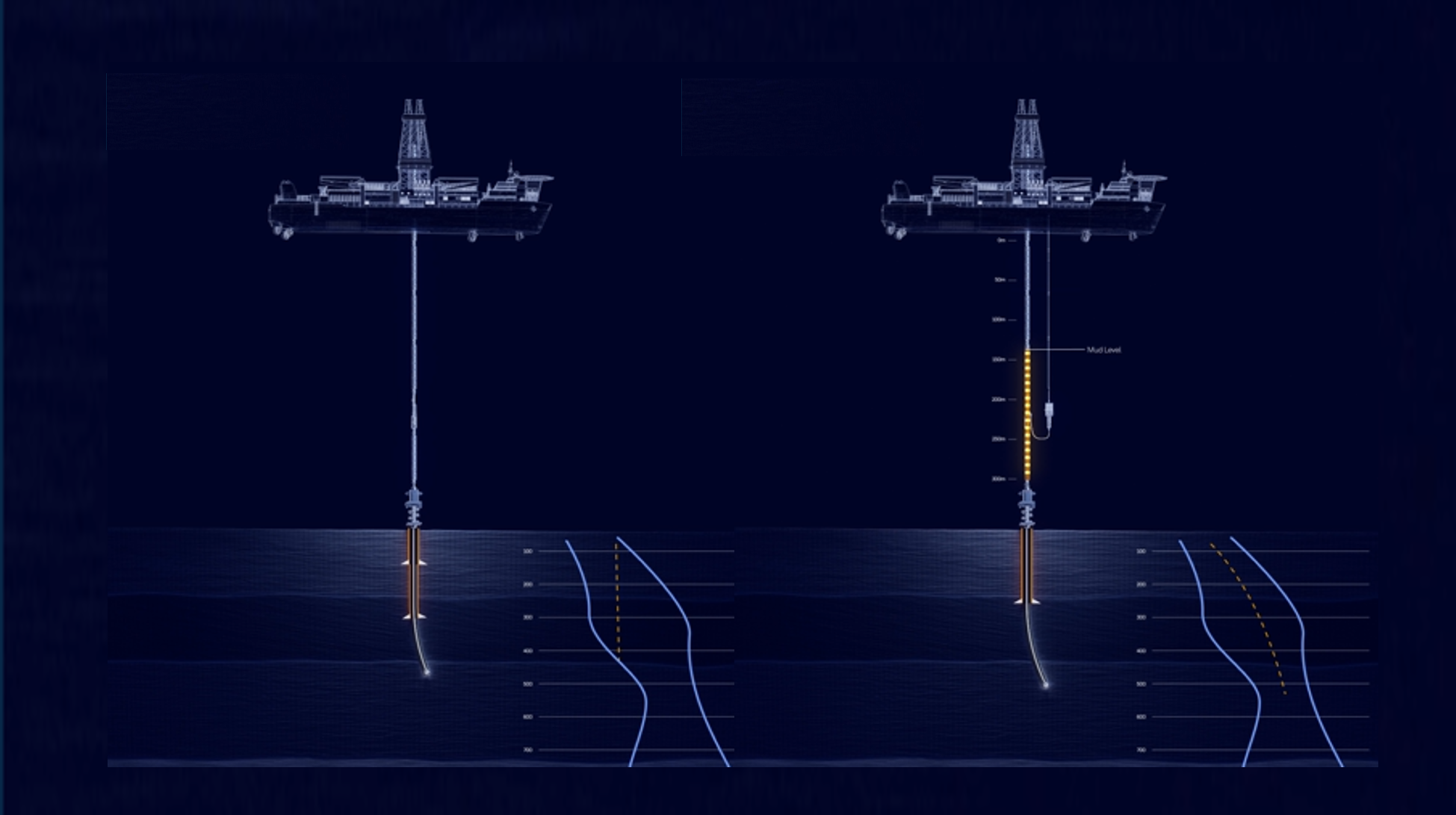
This is especially the case for deepwater wells where the hydrostatic pressure from the drilling fluid, starting from the rig floor, does not match the operating window, starting from the seabed.
Deepwater operations are associated with the highest daily rig costs in the industry.
When operating in these environments, even relatively small inefficiencies can have a significant impact on project economics. Unplanned events, operational delays and additional well construction requirements can quickly increase both cost and complexity.
Common challenges include:
For operators, the objective is not simply to reach target depth. The objective is to drill the well safely, efficiently and within budget while maintaining control throughout the operation.
As deepwater wells become more challenging, operators continue to look for methods providing greater flexibility when operating within narrow pressure margins.
Pressure management is increasingly used to help address challenges related to well design, operational efficiency and drilling performance. Different Managed Pressure Drilling (MPD) methods achieve this in different ways, each with its own operational characteristics and areas of application.
One such method is Controlled Mud Level (CML), which has been applied extensively in deepwater environments due to its ability to manage the pressure profile by adjusting the fluid level in the marine riser.
The next section explains how CML works and why it differs from other MPD methods.
Controlled Mud Level (CML) is one of the three primary Managed Pressure Drilling (MPD) methods used to manage Bottom Hole Pressure (BHP) during drilling operations. Unlike other MPD methods, CML controls pressure by adjusting the fluid level in the marine drilling riser, thereby changing the hydrostatic pressure applied to the well.
This method was developed to provide greater flexibility when operating within narrow pressure margins and has seen widespread adoption in offshore and deepwater environments where other MPD approaches introduce operational limitations.
By adjusting the fluid level in the riser, operators can influence the pressure profile throughout well construction while maintaining a conventional open-annulus drilling configuration. This creates what is commonly referred to as a dual-gradient effect, where the pressure profile can align more closely with the operating window encountered in many deepwater wells.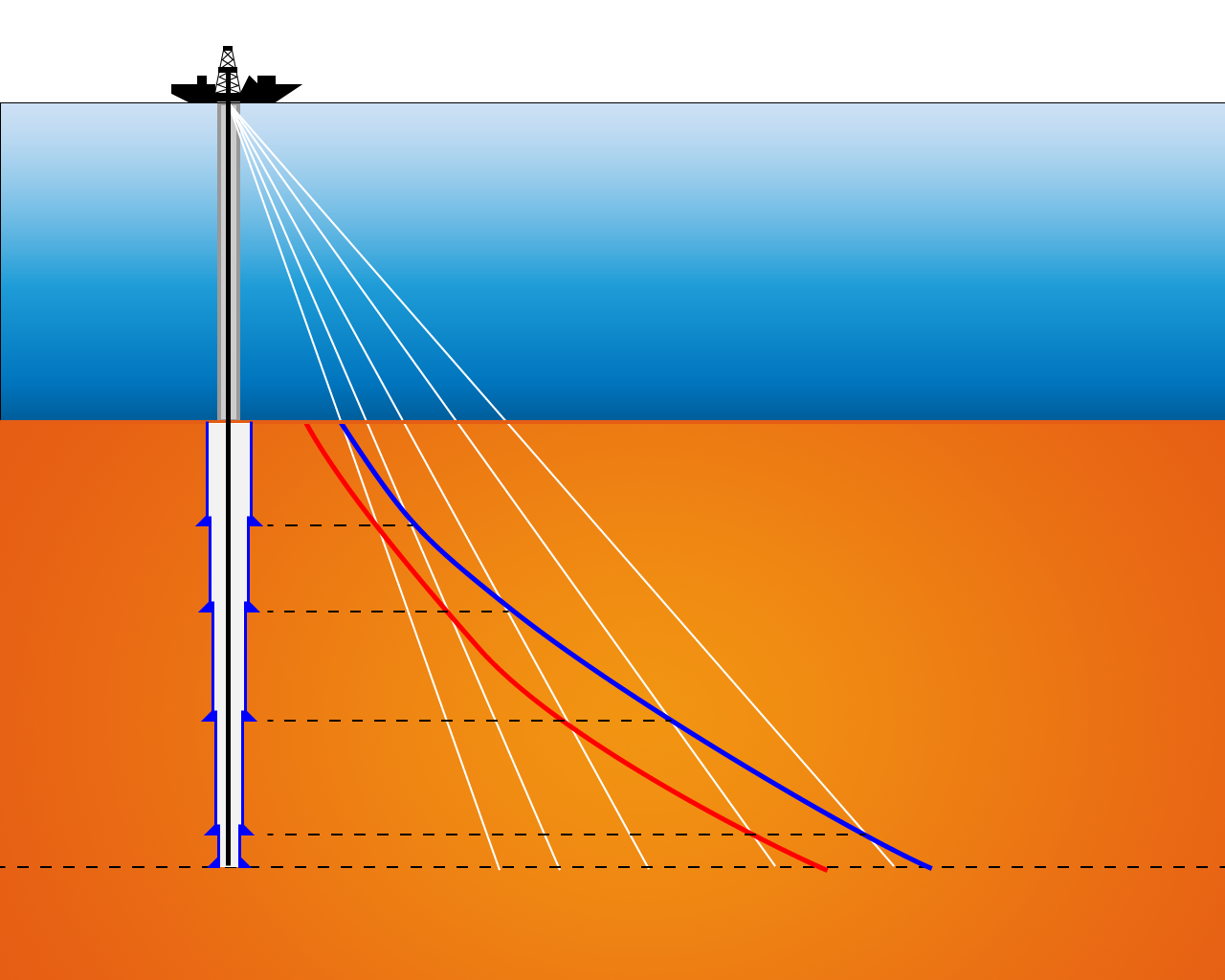
Operators use CML for a variety of reasons depending on the well objectives and drilling environment.
Common applications include:
Because pressure can be adjusted independently of pipe size and operation type, this approach can be applied across all phases of well construction.
All MPD methods are designed to manage pressure in the well, but they achieve this in different ways.
CCS primarily relies on frictional pressure created during circulation.
SBP uses surface-applied back pressure to influence Bottom Hole Pressure.
CML adjusts the fluid level in the marine riser to modify the hydrostatic pressure profile.
These differences influence where each method is typically applied and the operational characteristics they provide.
The next section explains how EC-Drill® applies the CML method in practice.
EC-Drill® is a Controlled Mud Level (CML) technology designed for offshore wells. The system manages Bottom Hole Pressure (BHP) by adjusting the fluid level in the marine drilling riser, creating a dual-gradient effect that can provide greater flexibility when operating within narrow pressure margins.
Unlike conventional approaches, Bottom Hole Pressure can be adjusted without relying on changes to mud weight, allowing operators to influence the pressure profile throughout different phases of well construction.
At the core of the system is a Subsea Pump Module (SPM) connected to a dedicated Mud Return Line (MRL).
By adjusting the pump rate, the fluid level inside the riser can be raised or lowered, changing the hydrostatic pressure applied to the well. This allows operators to manage Bottom Hole Pressure throughout drilling, tripping, cementing and completion operations.
When lowering the fluid level in the riser, EC-Drill® creates a dual-gradient effect. The resulting pressure profile differ from conventional drilling and aligns more closely with the operating window encountered in most deepwater wells.
This is one reason CML has become widely used in deepwater applications.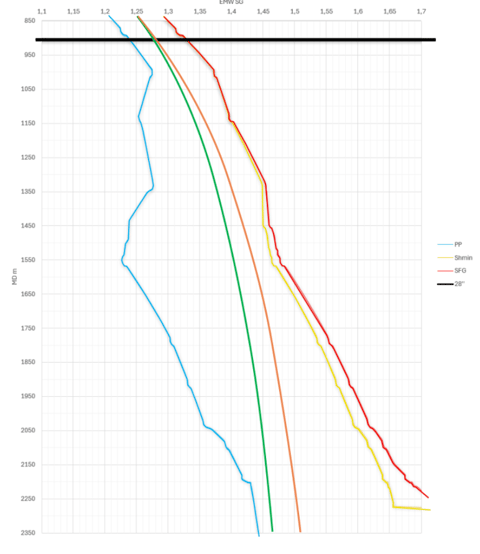
Operating in deepwater wells often means narrow pressure margins, casing design constraints and high operational costs.
EC-Drill® provides an improved approach to pressure management, supporting multiple phases of well construction. The CML method has been applied in deepwater projects globally and forms the foundation for Enhanced Drilling's EC-Drill® Dual MPD solution.

Controlled Mud Level (CML) is applied across a range of offshore drilling environments. The following sections highlight common applications and explain where CML can support well construction and well design.
Deepwater wells present some of the most demanding operating conditions in offshore drilling. The dual-gradient effect created by CML can provide a pressure profile more closely aligned with the operating window encountered in many deepwater wells. This can support pressure management throughout well construction and provide additional flexibility when planning and drilling challenging sections.
Many offshore wells are constrained by a small difference between pore pressure and fracture pressure.
When operating within these margins, maintaining the desired pressure profile is a significant factor in both operational execution and well design. CML provides the ability to adjust Bottom Hole Pressure both ways, allowing operators to respond to all changing well conditions without relying on mud weight adjustments.
The pressure profile created by CML can influence well design decisions, depending on the objectives and conditions of the well.
The pressure profile created by CML can allow upper hole sections to be combined in most deepwater wells, reducing the number of casing strings required. In other applications, the method has been used to extend reservoir sections and support access to reserves otherwise unreachable.
The specific outcome depends on the well objectives, formation characteristics and operating window, but well design improvements remain an important reason operators evaluate CML during the planning phase.
CML has also become an established approach in mature and depleted reservoirs.
As reservoir pressure declines over time, maintaining the desired pressure profile can become increasingly challenging using conventional approaches. By adjusting the fluid level in the riser, operators can align Bottom Hole Pressure more closely with actual reservoir conditions and continue drilling activities as depletion progresses.
Selecting an MPD method is only one part of a successful deepwater operation. The operational requirements, well objectives and drilling environment must also be considered when evaluating the most appropriate approach.
Many deepwater wells are characterised by narrow pressure margins, complex well architectures and high operational costs. As a result, pressure management is typically evaluated as part of the overall well construction strategy rather than as a standalone technology decision.
The suitability of any pressure management method depends on the objectives of the well.
Key considerations often include:
Understanding these factors early in the planning process helps operators determine whether MPD is likely to provide value and which method may be most appropriate.
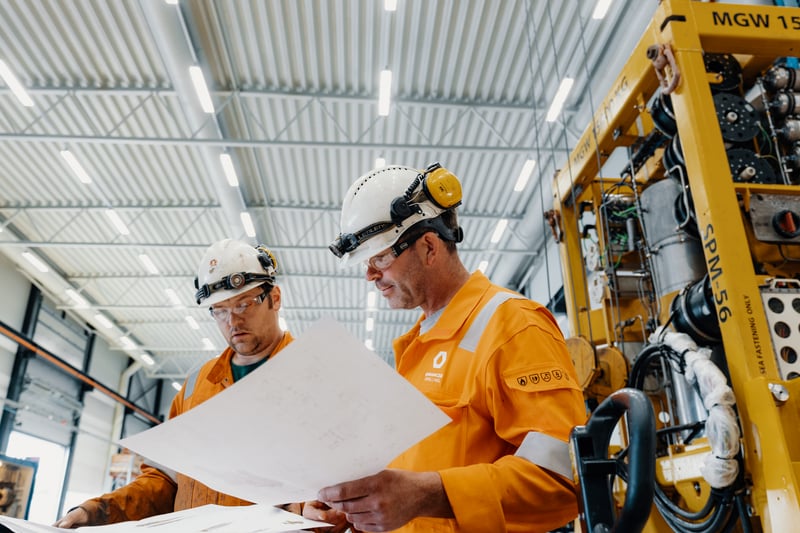
Like all MPD methods, CML requires equipment, procedures and personnel trained for the intended operation.
Successful implementation depends on:
As deepwater projects become more complex, operators increasingly focus on integrating technology, procedures and personnel into a single operational system.
Pressure management plays an important role in many deepwater wells, but no single method is suitable for every application.
The most appropriate approach depends on the operational objectives, well conditions and specific drilling challenges being addressed.
For this reason, operators evaluate pressure management methods based on how they influence well design, operational flexibility, risk and overall project economics rather than focusing on the technology itself.