
Skip to content

Applications

Explore the key challenges in modern offshore drilling and see how Enhanced Drilling’s solutions help operators improve performance, reduce risk, and enhance well integrity.

Pressure Management
Staying within the window
Well Completion
Finishing strong – safely and productively
Deepwater Ultra-Deepwater
More depth. More risk. More need for control

Precision Tools That Enable Safer, Smarter Wells

Our technologies are categorized by drilling phase – helping you find the right solution faster.
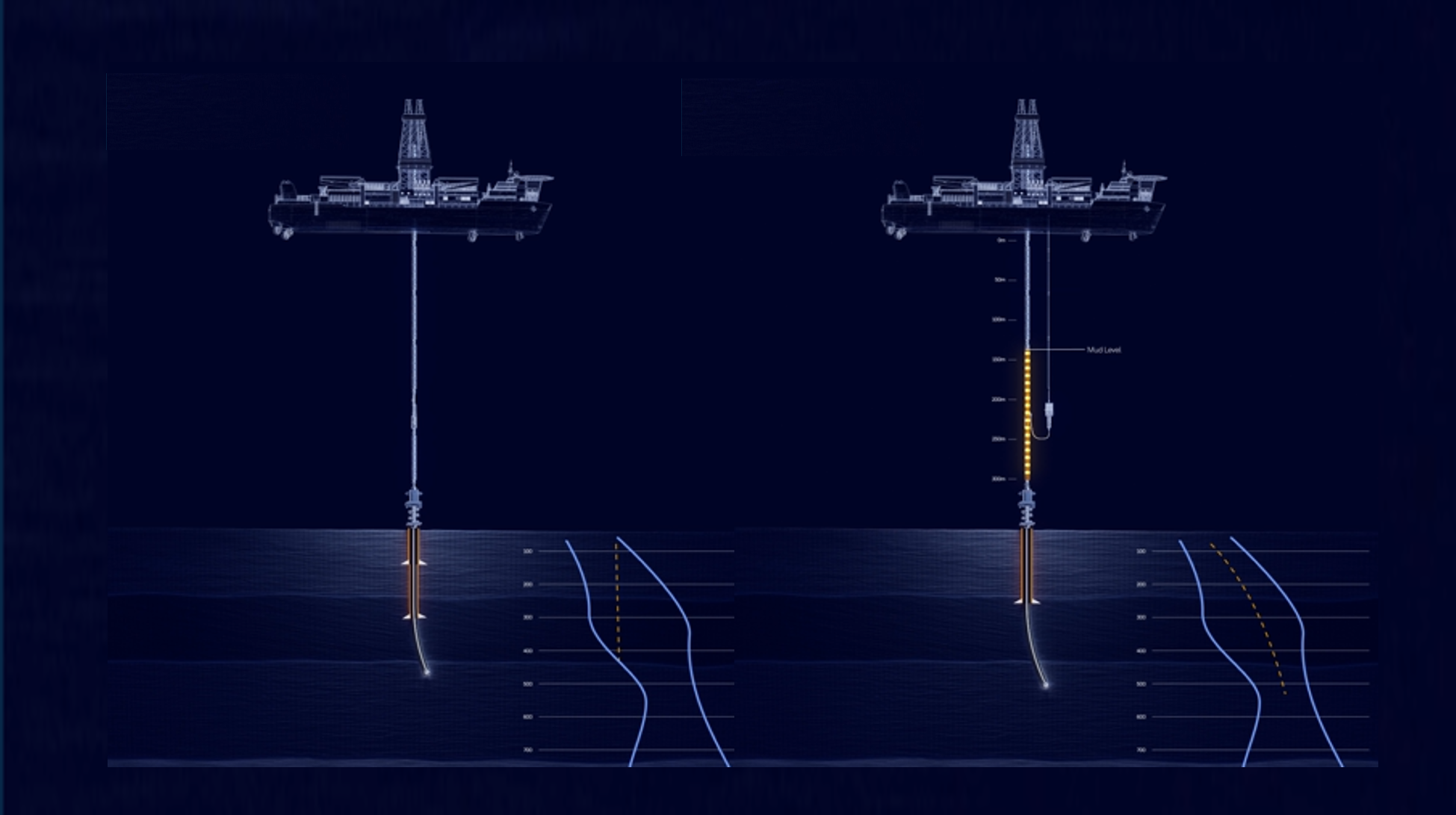
Well Diagram - Top Hole Section (without CTS)
Top-Hole Section
Technologies
Help you drill faster, cleaner, and safer from day one — while protecting the environment and reducing risk in the most fragile part of the well.
Well Diagram - Intermediate Section
Intermediate section
Technologies
Helps you drill deeper with fewer casing strings, improved stability, and better safety — even in narrow pressure windows.
Well Diagram - Reservoir & Completion Section
Reservoir and Completion
Technologies
Helps maximize production rates, protect the reservoir, and simplify completion — even in depleted zones or challenging formations.

RMR® Riserless Mud Recovery for Top-Hole Drilling

RMR® (Riserless Mud Recovery) recovers drilling fluid from the seabed and returns it to the rig for reuse during offshore top-hole drilling. It enables the use of engineered drilling fluids to address top-hole challenges.

What Is RMR® and How Does It Work?

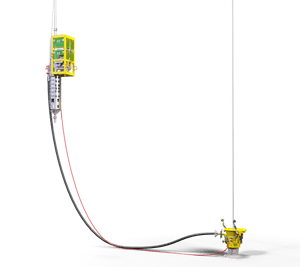
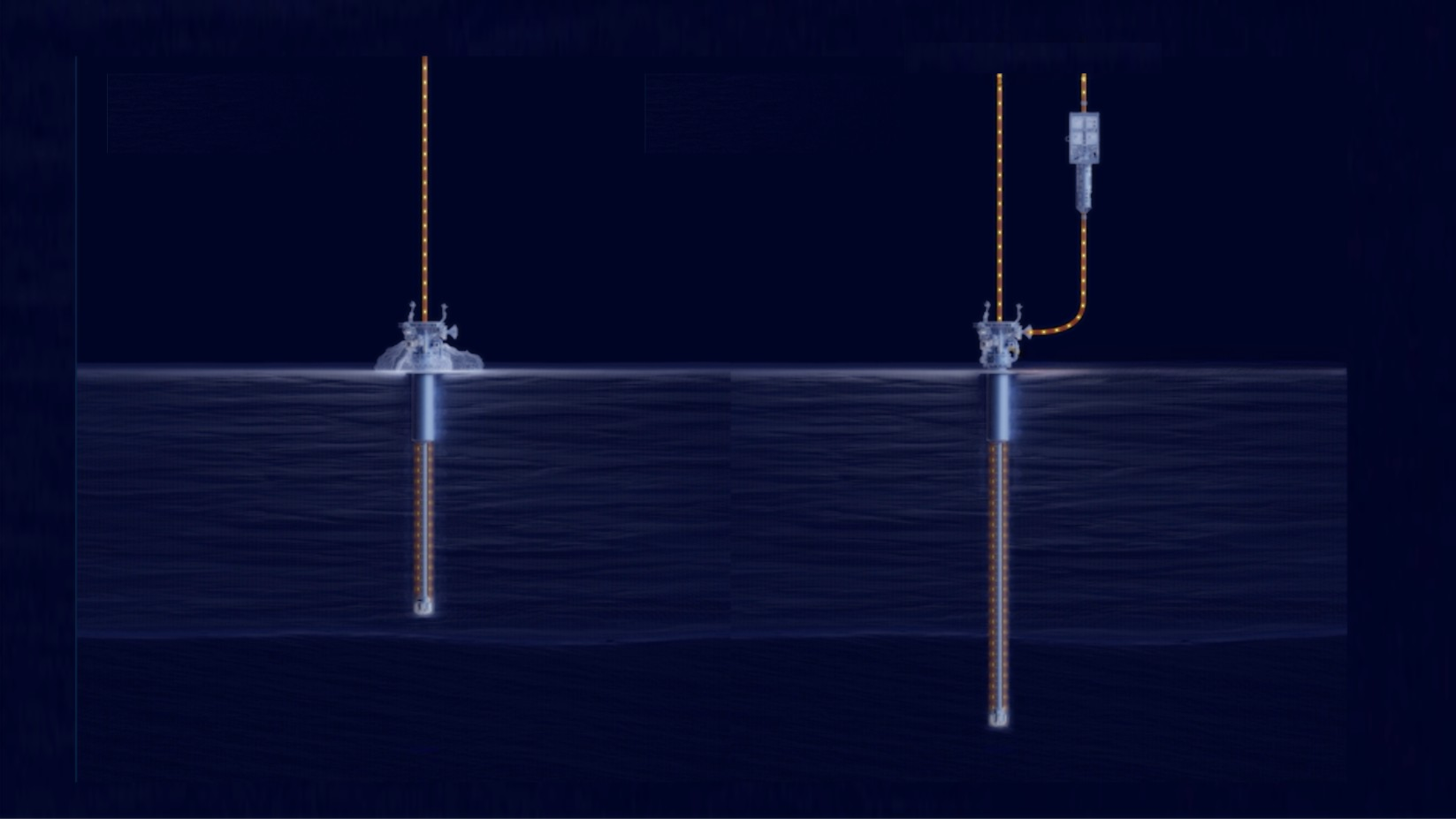
RMR® uses a subsea pump and a suction module at the wellhead to recover drilling returns and bring them back to the rig. Recovering the drilling fluid for reuse provides an alternative to discharging drilling returns at the seabed and supports the use of engineered fluids to address top-hole challenges.

Why Operators Choose RMR® 

Designed for optimal efficiency and environmental stewardship, the RMR® technology is the go-to technology for operators aiming to tackle the complexities of top-hole drilling. Here’s why it stands out:

Zero discharge
Push surface casing deeper
Improved well-bore stability
Primary barrier in place
Hanging on string RMR 05-1

When Should RMR® Be Considered?

RMR® is relevant to offshore top-hole operations where drilling teams need to recover and reuse drilling fluid, address wellbore instability or meet project-specific discharge requirements. Explore the applications below, or discuss your well and operational requirements with our team to assess whether RMR® is suitable.

Top-Hole Challenges

The top-hole section sets the premises for the entire well.  Addressing top-hole challenges such as instability, shallow flows and unconsolidated formations while ensuring there is no debris around the wellhead area is crucial.

Prevent chemical and mechanical wellbore instability challenges with a proper drilling fluid. 

Eliminating logistic challenges and environmental concerns. 

Enabling volume control resulting in the ability to monitor the well and detect any gains or losses.

Prevents any discharge into the sea but also allows for continuous monitoring of well conditions.

Environmental & Regulatory

Enhanced Drilling’s technologies support operators in meeting the industry’s strictest environmental standards. From eliminating discharge to reducing logistics and operational waste, we help you minimize environmental impact while maintaining performance.

Combine sections to save a casing run and cement job.

Enable a circulating system and combine sections.

Remove a section, reduce transportation, and prevent dumping.

Enabling zero-discharge operations, ensuring no pollutants enter the marine environment.

Deepwater Offshore Platform Under Midnight Sky_web

Part of a Drilling or Subsurface Team?

Get a overview of RMR®, including its applications, operational considerations and how to assess whether it is suitable for your next well.

Frequently Asked Questions

RMR® Operational FAQs

We receive a lot of detailed questions from drilling teams, and we’re always ready to support. To make things easier, we’ve gathered some of the most frequently asked questions about Riserless Mud Recovery and provided clear, practical answers below. 

Which water depth can RMR® be used in? The deepest RMR® job to date has been around 1,500 m, though in practice the limit is often closer to 1,000 m.
The maximum water depth for RMR® depends on pump capacity, which is determined by the intended flowrate, ROP, hole size, and fluid density.
How is the system deployed to the seabed? The Subsea Pump Module (SPM) is deployed over the side of the rig using the umbilical winch. The Mud Return Line (MRL) is deployed separately, either from a hose-handling platform or a hose reel. 

When RMR® is combined with EC-Drill®, the SPM can also be deployed on a hard pipe that doubles as the MRL.
What modifications are needed for Managed Pressure Cementing (MPC) of topholes? For standalone wells, an interface piping system with valves and sensors is required between the cement ports on the LPWWH.
Can it be used on all templates and wellheads? Yes. RMR® has been successfully applied on nearly every type of template and wellhead. In some cases, minor modifications may be required.
Can it be used without a template or wellhead housing?  Yes. In such cases, a spud base or spud pile can be placed on the seabed to support the system. 
Planning a Challenging Well? Ask Enhanced Drilling

Planning a Challenging Well?

Discuss your top-hole drilling challenges, fluid recovery objectives and discharge requirements with our team. We can help you assess whether RMR® is suitable for your project.