

.png?width=300&name=EDR%20intro%20Images%20(0-00-26-07).png)
RMR® for Offshore Top-Hole Drilling
RMR® | Riserless Mud Recovery
Offshore top-hole drilling can involve challenges such as shallow gas, shallow water flow, environmental discharge restrictions and well construction objectives.
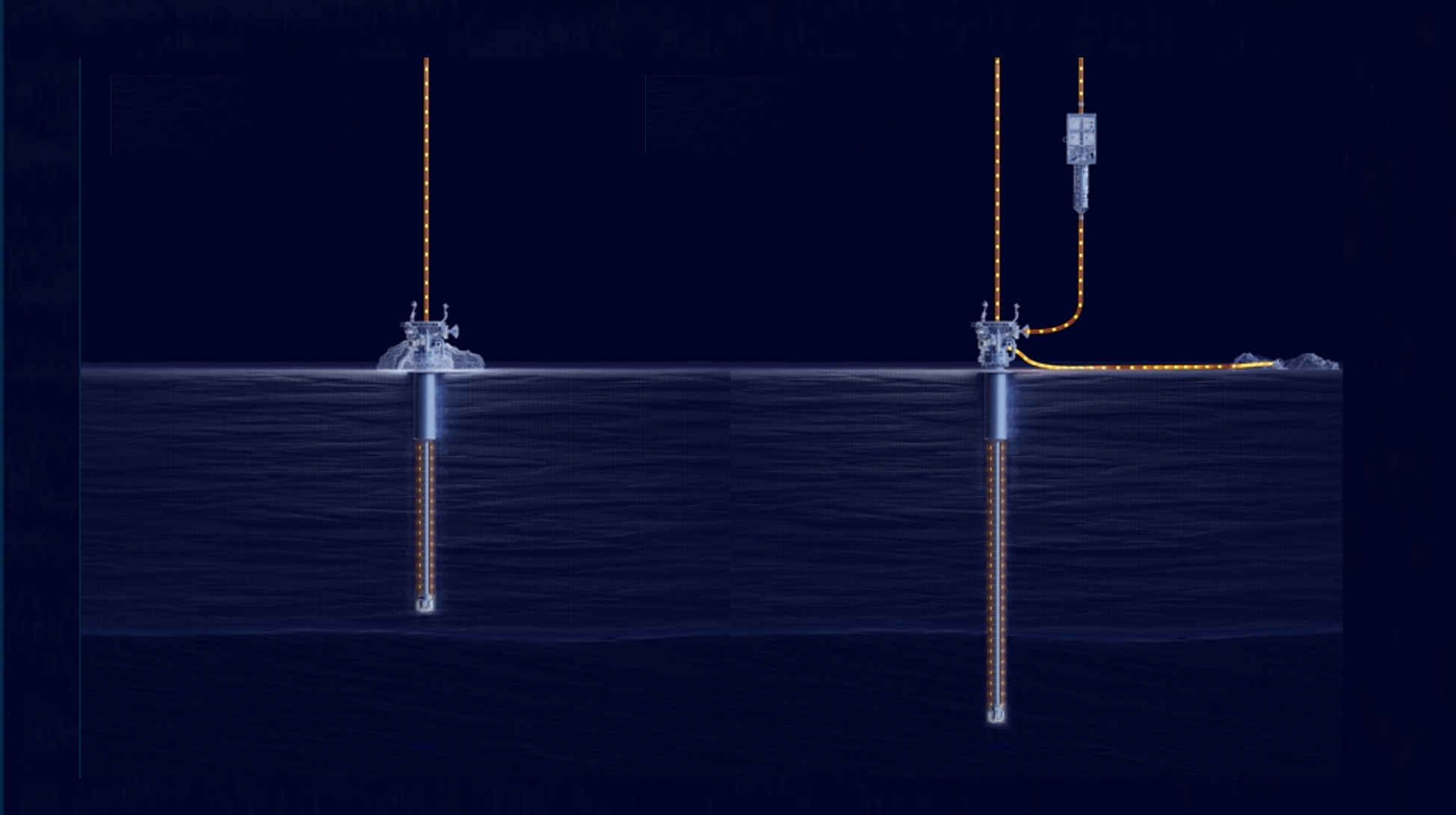
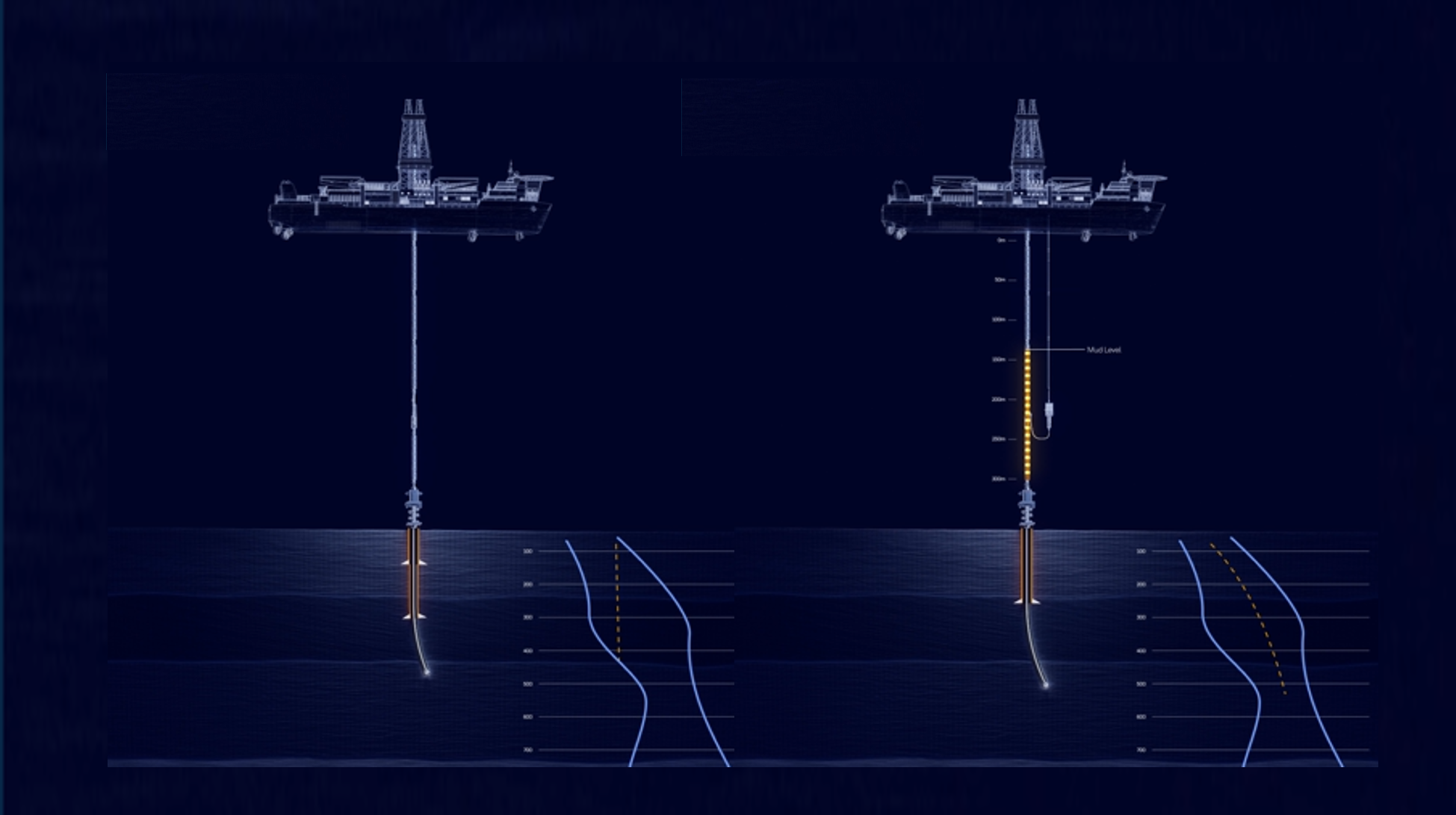
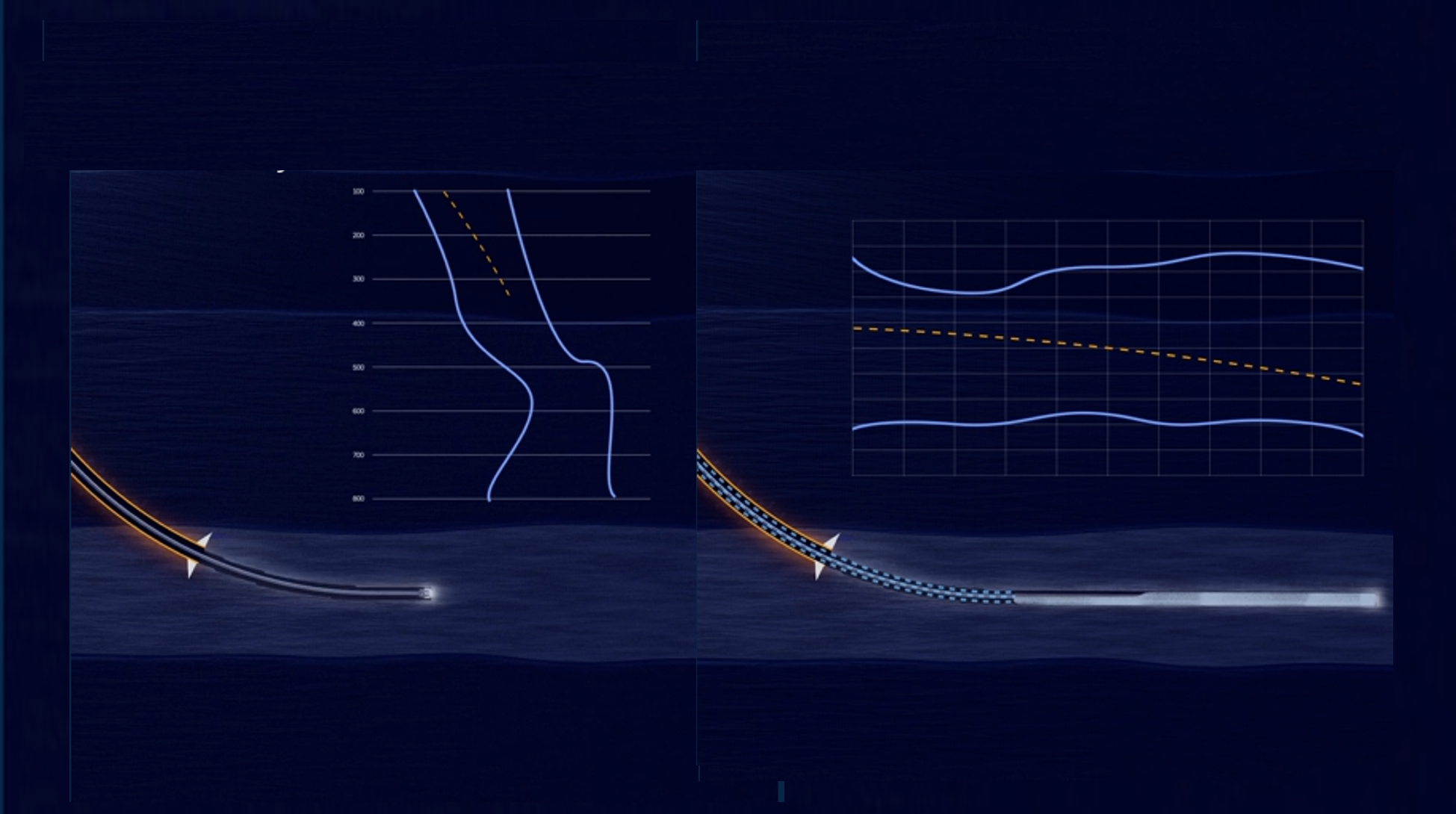
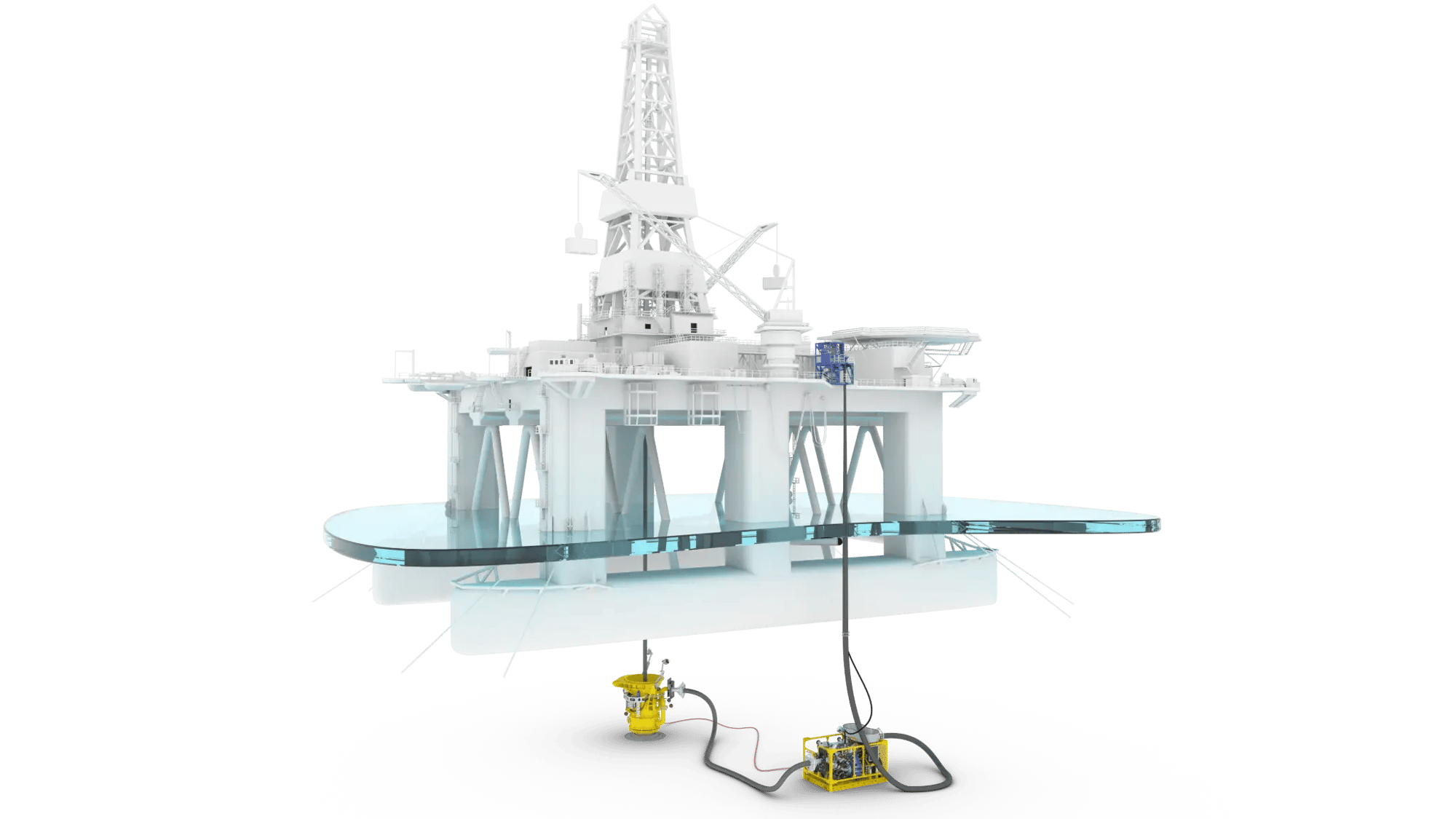
Riserless Mud Recovery (RMR®) returns drilling fluid and cuttings to the rig before the marine riser is installed.
This guide explains how RMR works, where it is used and how to evaluate whether it is suitable for your next well.
What Is RMR®?
Riserless Mud Recovery (RMR®) enables the recovery of drilling fluid and cuttings during offshore top-hole drilling, before the marine riser is installed.
By creating a circulating system, RMR® supports the use of engineered drilling fluids where required, while allowing drilling returns to be recovered and managed at the rig.
The technology is primarily used where formation conditions, environmental requirements or well construction objectives create a need for greater control over drilling fluid and returns handling.
Learn more: What is RMR®? →
What Drilling Challenges Led to RMR®?
RMR® was developed to solve a practical challenge.
Operators needed to use engineered drilling fluids during top-hole drilling, particularly where challenging formation conditions made seawater alone insufficient.
However, continuously discharging these fluids during riserless drilling meant higher fluid consumption, increased logistics requirements and associated costs.
The need to recover and reuse engineered drilling fluids, while maintaining the fluid properties required for challenging top-hole conditions, was a key driver behind the development of RMR®.
How RMR® Recovers Drilling Returns
During conventional riserless drilling, drilling fluid and cuttings are typically discharged to the seabed.
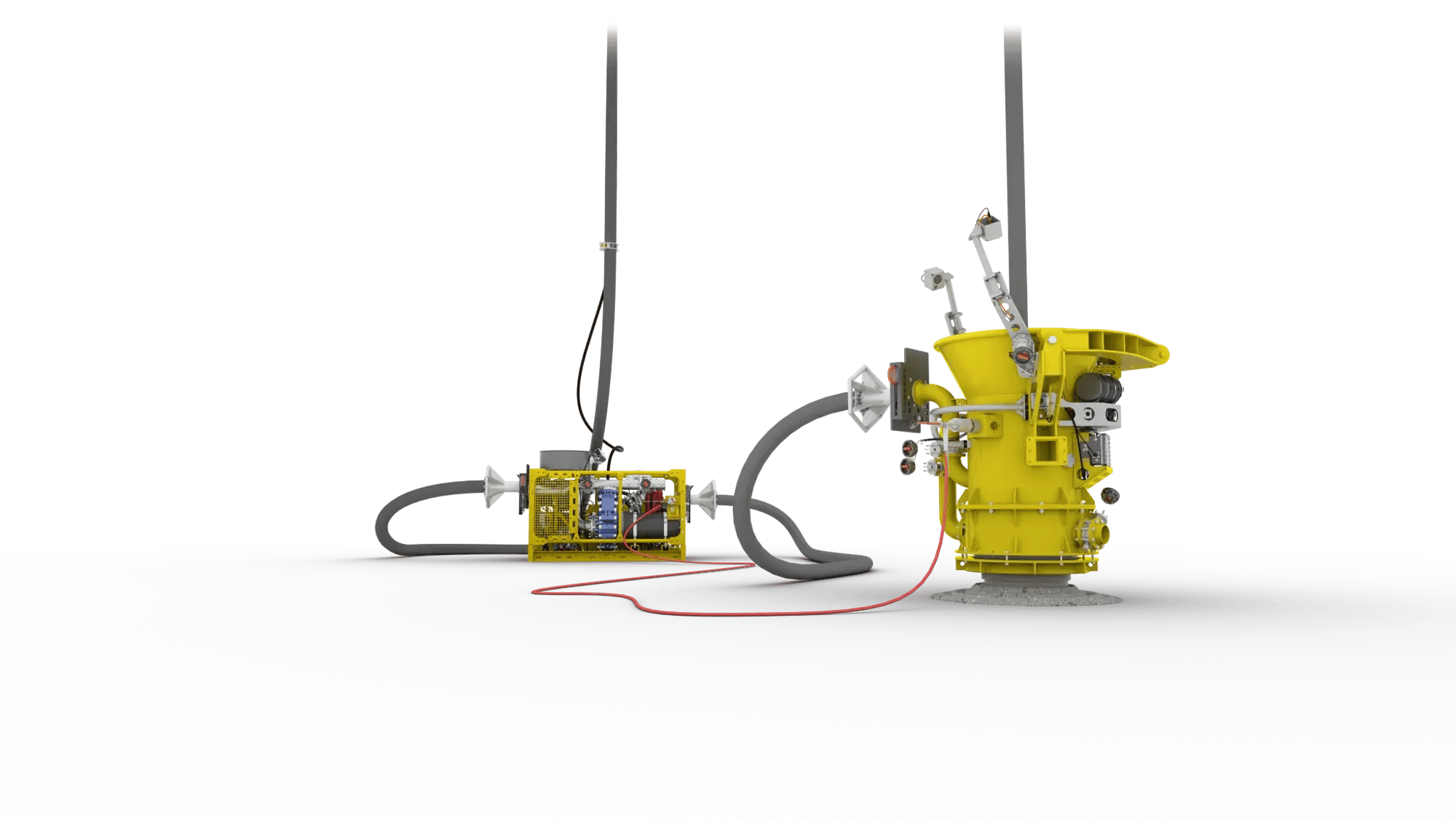
With RMR®, drilling fluid and cuttings are collected at the wellhead and transported back to the rig through a dedicated return line, creating closed-loop circulation during riserless drilling.
At the rig, the drilling fluid can be processed and, where appropriate, reused.
For a more detailed explanation of the system components and how the circulation loop is maintained, read What is RMR®?.
When Should RMR® Be Considered?
RMR® is not required for every offshore well.
Where conventional riserless drilling meets the operational objectives, seabed discharge is permitted and seawater provides sufficient pressure control, conventional drilling may remain the preferred approach.
RMR® should typically enter the well-planning discussion when one or more of the following apply:
Seabed discharge is restricted or undesirable
Shallow gas or shallow water flow is expected
Weighted or engineered drilling fluid is required during top-hole drilling
Large top-hole sections increase drilling fluid volumes
Drilling fluid logistics are expected to be significant
A deeper surface casing setting depth is being evaluated
A pilot-hole alternative is being considered
These conditions do not automatically mean that RMR® is required. They indicate that recovering drilling returns may be worth evaluating as part of the overall well strategy.
Key Benefits of RMR®
The value of RMR® depends on the well design, drilling environment and operational objectives. For suitable applications, the main benefits can be grouped into four areas.
✓
Drilling fluid recovery and reuse
Recover engineered drilling fluid instead of continuously discharging and replacing it.
✓
Better visibility of drilling returns
Returning drilling fluid and cuttings to the rig provides access to the drilling returns before the marine riser is installed.
✓
Greater flexibility in top-hole well design
Depending on the well, RMR® may support deeper surface casing, alternative approaches to conventional pilot-hole drilling, or Managed Pressure Cementing (MPC) in wells with weak formations or narrow pressure windows.
✓
Reduced discharge and drilling fluid logistics
Recovering returns can support zero-discharge requirements and reduce repeated preparation and transport of drilling fluid.
RMR® is most valuable when top-hole conditions, discharge limits or drilling objectives require greater control of returns. The four areas above highlight the main operational benefits operators consider when evaluating the system.
Related articles:
RMR® Compared with Conventional Top-Hole Drilling
For many wells, conventional riserless drilling remains the right solution. RMR becomes relevant where recovery of returns helps meet specific objectives.
| Criteria | Conventional riserless drilling | RMR® |
|---|---|---|
| Returns | Typically discharged to seabed | Returned to rig through dedicated line |
| Drilling fluid recovery | Not normally recovered | Can be handled, treated and potentially reused |
| Weighted fluid | May be used and discharged | Can be recovered at surface |
| Visibility of returns | Limited at surface | Returns available at the rig |
| Discharge | Subject to local permissions | Supports reduced- or zero-discharge objectives |
| Logistics | Replacement fluid may be required | Recovery may reduce replacement-fluid demand |
| Typical use cases | Where conventional objectives are met | Where hazards, discharge or construction objectives justify recovery |
RMR® becomes particularly relevant where weighted drilling fluid is required, shallow-flow conditions influence the drilling strategy, discharge restrictions apply or recovering drilling fluid provides operational value.
The preferred approach should always be based on the specific well conditions, drilling programme and operational objectives.
Operational Considerations and Limitations
RMR® is an established technology, but its applicability depends on the specific well design, formation conditions and operational environment.
Key considerations include:
Is RMR® Suitable for Your Well?
RMR® should be evaluated based on the objectives, formation conditions and operational requirements of the specific well.
RMR® may warrant further evaluation if:
- Weighted or engineered drilling fluid is required before the marine riser is installed
- Seabed discharge is restricted, undesirable or not permitted
- Shallow gas or shallow water flow influences the drilling strategy
- Large top-hole sections create significant drilling fluid volumes
- A deeper surface casing setting depth is being considered
- A pilot hole forms part of the current shallow-gas strategy
- Drilling fluid preparation, transport or disposal is operationally significant
These conditions do not automatically make RMR® the preferred approach. They indicate that a more detailed feasibility assessment may be worthwhile.
A feasibility assessment should consider:
- Well and formation data
- Seismic interpretation and offset-well information
- Expected shallow-flow conditions
- Planned hole sizes and casing programme
- Drilling fluid requirements
- Surface casing objectives
- Environmental and discharge requirements
- Drilling fluid logistics and operational constraints
The next step is typically to assess these factors together with the planned drilling programme to determine whether RMR® is technically and operationally suitable for the well.
Key Takeaways
•RMR® returns drilling fluid and cuttings to the rig during offshore top-hole drilling, before the marine riser is installed.
•It is most relevant where conventional riserless drilling creates limitations related to drilling fluid, shallow-flow conditions, discharge requirements, logistics or well design.
•RMR® can support the use and recovery of weighted drilling fluid while improving visibility of drilling returns.
•Depending on the well, it may also support deeper surface casing, alternatives to pilot-hole drilling and Managed Pressure Cementing.
•RMR® is not required for every well. Its suitability should be assessed against the specific formation conditions, drilling programme, operational objectives and environmental requirements.
Commercial considerations, including additional CAPEX and OPEX associated with RMR®, should be evaluated as part of project planning.
If RMR® is considered relevant, the next stage typically includes evaluating operational readiness, rig requirements, project preparation, contingency planning and commercial impact. A feasibility assessment uses well data, shallow-hazard information and the planned drilling programme to support this evaluation.
As part of this planning, rig requirements and any necessary project preparation should also be assessed.
Frequently Asked Questions
RMR® collects drilling fluid and cuttings at the seabed and transports them back to the rig through a dedicated return line. This allows the returns to be handled at surface instead of being discharged to the seabed.
RMR® should be considered when the top-hole section involves discharge restrictions, sensitive seabed environments, shallow gas or shallow water flow risk, weighted drilling fluid, remote logistics, deeper surface casing objectives or potential pilot-hole reduction.
In conventional riserless top-hole drilling, returns may be discharged to the seabed. With RMR®, returns are brought back to the rig before the marine riser is installed.
RMR® can support shallow gas applications by enabling drilling with weighted fluid in the top-hole section while returning that fluid to the rig. It also provides access to drilling returns at the rig. However, it does not replace proper shallow hazard evaluation or operational risk management.
No. If the top-hole section can be drilled conventionally, if discharge is permitted, and if there is no operational need for weighted drilling fluid or return recovery, RMR® may not be necessary.
A feasibility assessment typically requires well data such as seismic interpretation, shallow hazard assessment, offset well information, planned hole sizes, casing depths, expected formations, soil strength, environmental restrictions and drilling fluid strategy.