
Skip to content

Applications

Explore the key challenges in modern offshore drilling and see how Enhanced Drilling’s solutions help operators improve performance, reduce risk, and enhance well integrity.

Pressure Management
Staying within the window
Well Completion
Finishing strong – safely and productively
Deepwater Ultra-Deepwater
More depth. More risk. More need for control

Precision Tools That Enable Safer, Smarter Wells

Our technologies are categorized by drilling phase – helping you find the right solution faster.
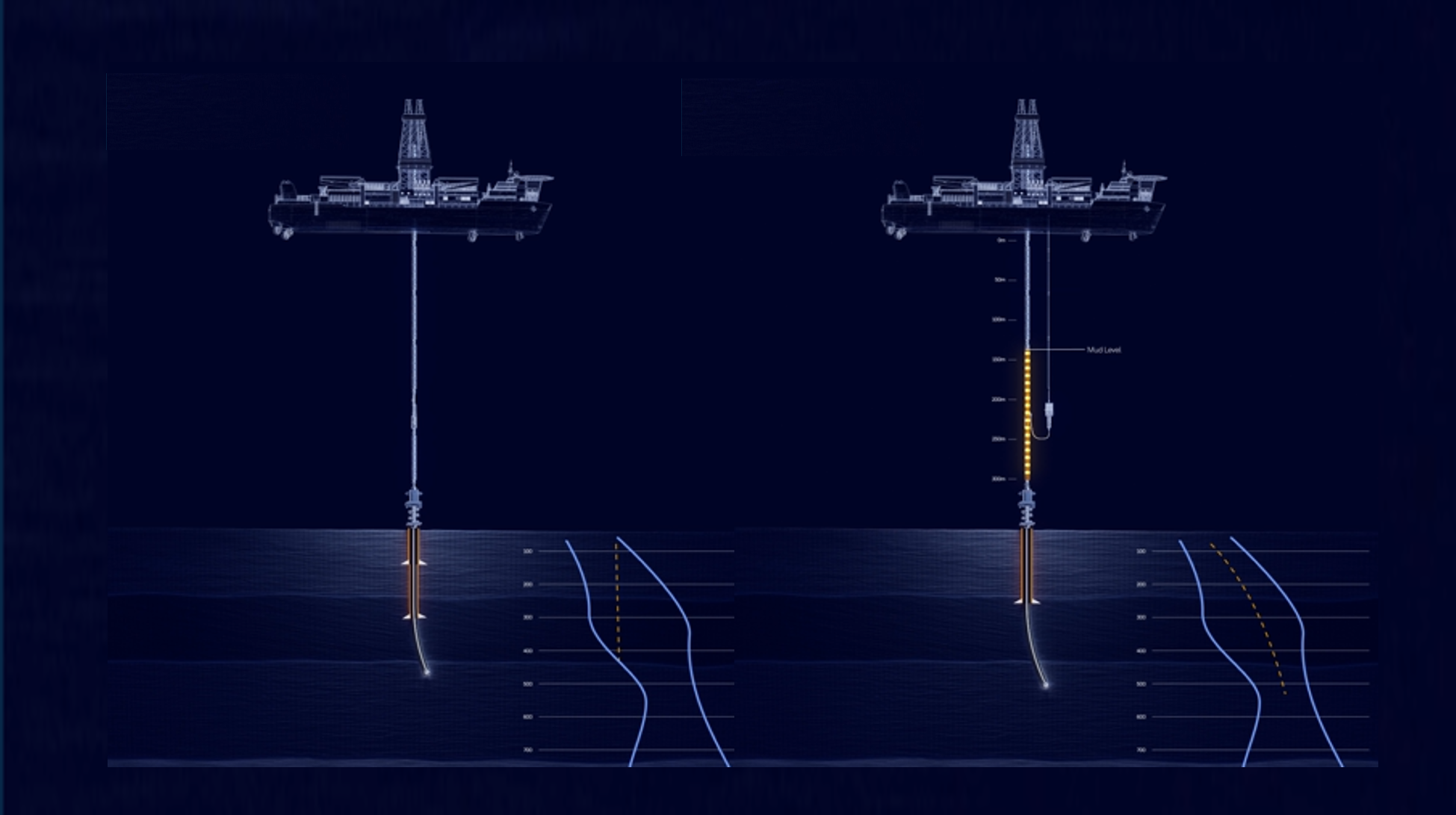
Well Diagram - Top Hole Section (without CTS)
Top-Hole Section
Technologies
Help you drill faster, cleaner, and safer from day one — while protecting the environment and reducing risk in the most fragile part of the well.
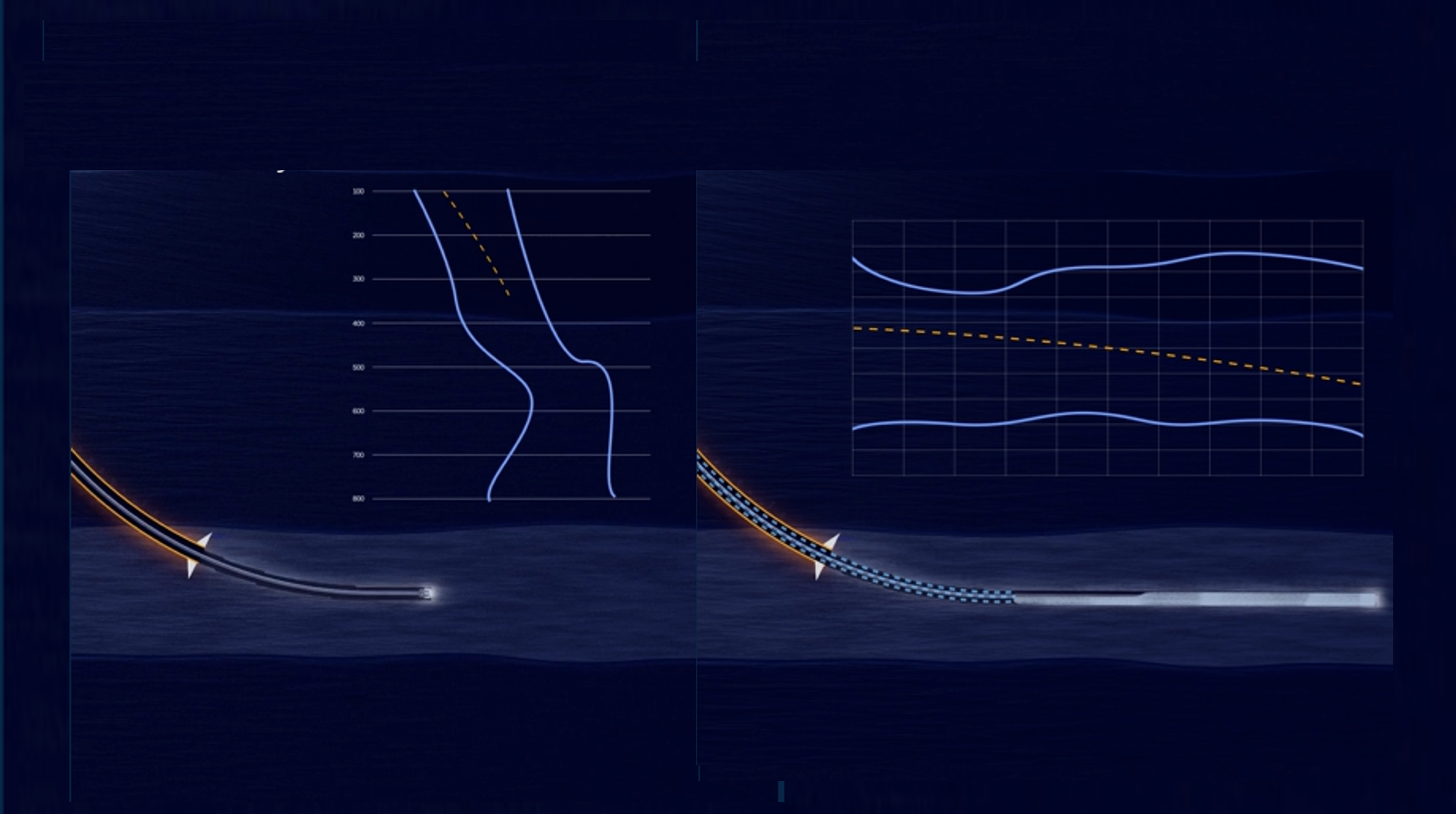
Well Diagram - Intermediate Section
Intermediate section
Technologies
Helps you drill deeper with fewer casing strings, improved stability, and better safety — even in narrow pressure windows.
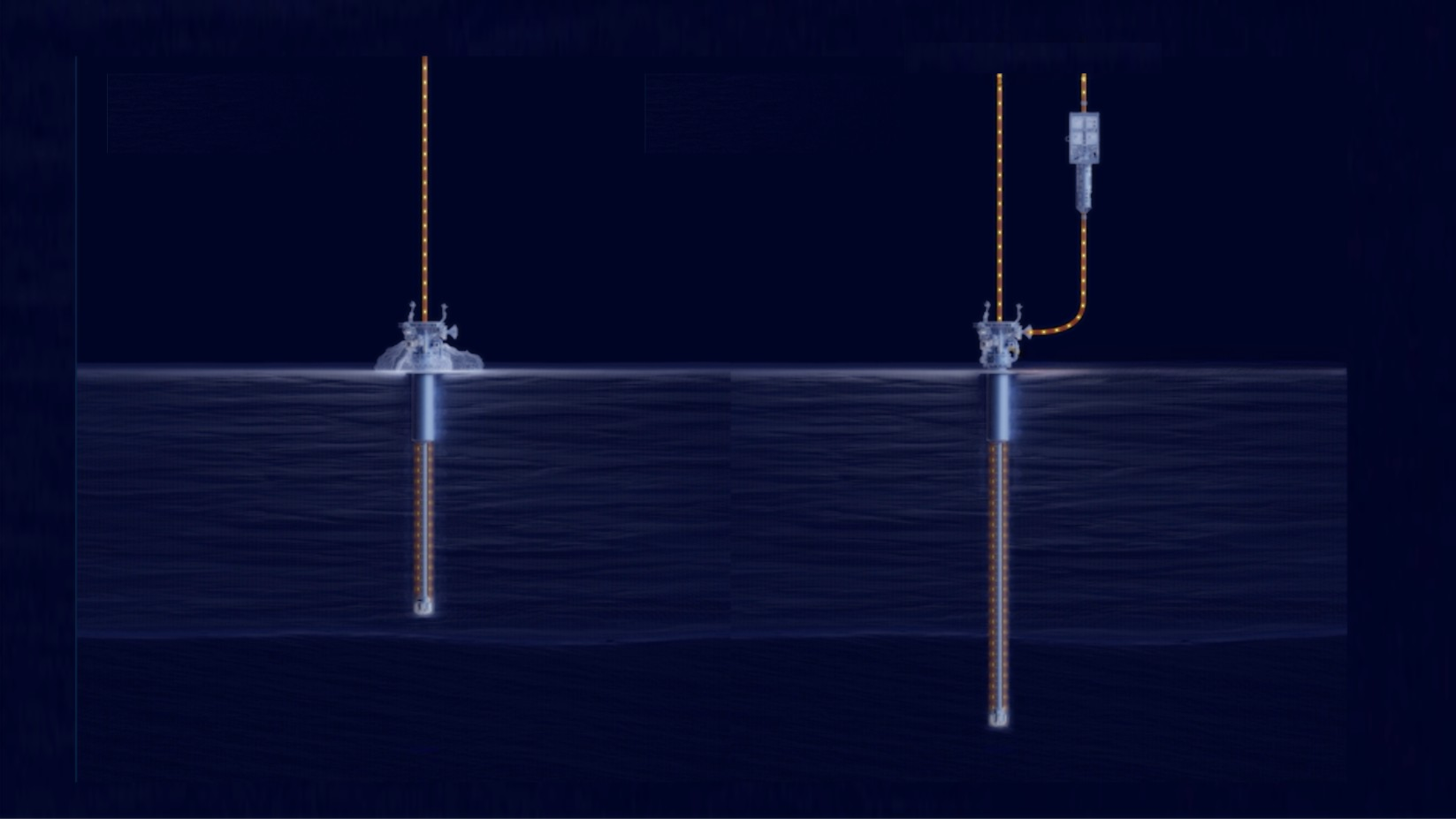
Well Diagram - Reservoir & Completion Section
Reservoir and Completion
Technologies
Helps maximize production rates, protect the reservoir, and simplify completion — even in depleted zones or challenging formations.
RMR_seabed_web_1280

Pump & Dump vs. RMR®: Choosing the Right Top-Hole Approach

When is Pump & Dump enough, and when should RMR® be considered?

This checklist helps subsurface teams evaluate whether well conditions, mud logistics, cementing challenges, casing design and rig integration justify considering RMR® during top-hole well planning.

Quick answer

Quick answer: When Should RMR® Be Considered?

Riserless Mud Recovery (RMR®) should be considered when a subsea well has one or more conditions that make conventional Pump & Dump challenging.

Typical drivers include reactive shales, formation instability, gas or water flow risk, cementing complexity, demanding mud logistics, or the value of setting surface casing deeper. Environmental requirements can also shape the decision.

There is no single answer. The decision should be based on the well objectives and project constraints

Quick comparison

What Is the Difference Between Pump & Dump and RMR®?

The right solution depends on the well and the objectives of the project. This comparison highlights the operational difference between conventional Pump & Dump and RMR® so the decision criteria are easier to assess.

Conventional approach

Pump & Dump

In conventional Pump & Dump operations, drilling fluid and cuttings are discharged at the seabed. This can work well when the mud system is simple, infrastructure is available, and there are no major formation, logistics, or environmental constraints.

Closed-loop approach

RMR®

RMR® uses a subsea pump to return drilling fluid and cuttings from the seabed back to the rig, allowing the mud to be recovered, treated, and reused.

Why operators choose RMR®

The value of RMR® extends beyond mud recovery. It reduces mud logistics requirements and enables the use of an engineered suitable mud system, supporting effective drilling through unstable formations.

Continuous monitoring of gains or losses on the pit improves well monitoring and can allow safer drilling of shallow hazard zones, including gas or water flow zones, without a pilot hole.

In some cases, RMR® also allows deeper surface casing, supports a more efficient well architecture, and enables Managed Pressure Cementing (MPC) to help achieve cement returns to surface and support a more stable wellhead.

Use the checklist below to evaluate the key decision criteria for your well.

1. Start With the Well: What Are You Trying to Solve?

Instead of asking “Should we use RMR®?”, start by asking:

“What challenge are we trying to solve in the top-hole section?”

Start with the well. Questions to consider:

  • What are the main challenges in the planned top-hole section?
  • What are the objectives for the well?
  • Are there operational or geological constraints that could influence the drilling method?
  • What are the surface casing objectives?
  • What level of uncertainty exists in the shallow section?

RMR® becomes more relevant when well conditions require greater control over the mud system.

If the top-hole section can be drilled safely with a simple mud system and straightforward logistics, Pump & Dump may remain the best option.
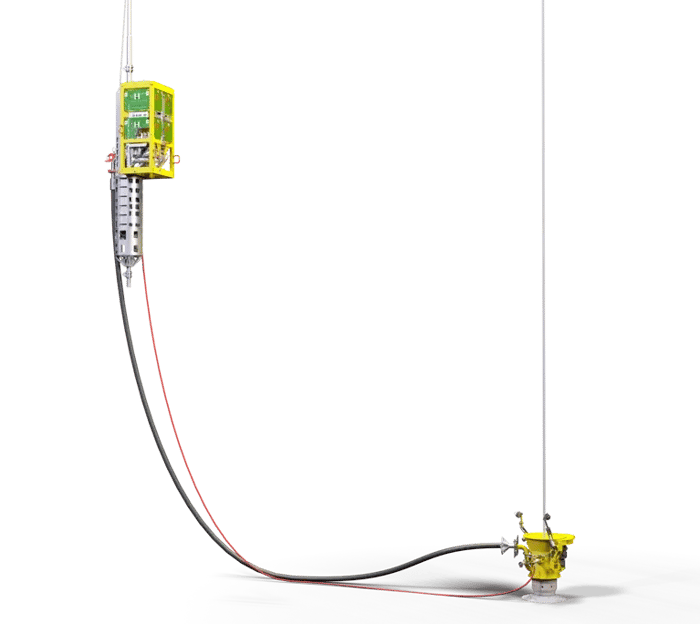


Hanging on string RMR 05-1

2. Formation Stability: Will a Simple Mud System Be Enough?

In suitable formations, a simple mud system is often sufficient. Reactive formations or shale swelling often require an engineered mud system with good shale inhibition to maintain stability.

An engineered mud system increases the cost and logistical complexity of Pump & Dump. In these situations, recovering and reusing the mud with RMR® can provide a more practical approach. Formation stability should be assessed early in well planning.


Key questions to ask

  • Can a conventional Pump & Dump mud system provide sufficient wellbore stability?
  • Are reactive formations or shale swelling expected?
  • Would an engineered mud system be required?
  • Would recovering and reusing the mud improve the project economics?
RMR_seabed_web_1280

Gen 2 RMR® Launch

Gen 2 RMR® launch video showing the system deployed offshore from the rig and ready for riserless top-hole drilling.

3. Cementing Challenges: Can You Achieve the Required Cement Returns?

Cementing is another key decision factor.

After drilling the top-hole section, surface casing must be installed and cemented. If cement returns to seabed cannot be achieved, well integrity and the foundation for subsequent operations may be compromised.

Poor cementing around shallow casing can create long-term integrity concerns.

RMR® becomes more relevant when cementing challenges or surface casing objectives influence the well design. 

Key questions to ask

  • Are there known cementing challenges in similar wells?
  • Is cement return to seabed a concern?
  • Could a different mud approach improve the conditions for cementing?
  • Would a Managed Pressure Cement (MPC) operation improve the cement job?


4. Mud Logistics: Can the Project Support Pump & Dump Efficiently?

Mud logistics is often a key reason for evaluating RMR®.

In areas with strong local infrastructure, Pump & Dump is often straightforward. If there are sufficient mud plants, supply boats and transport capacity, the logistics may support the operation without major constraints.

In other regions, mud supply may limit the operation.

Limited supply vessels, restricted mud plant capacity or long transport routes increase the value of recovering and reusing drilling fluid.

The impact increases as top-hole intervals become longer, mud volumes grow and mud systems become more complex.

Key questions to ask

  • Is mud supply readily available in the operating region?
  • Are supply boats and mud plant capacity sufficient?
  • Could the operation be limited by mud availability?
  • Would mud recovery allow the section to be drilled deeper or more efficiently?
  • Does the cost of moving, mixing and supplying mud materially affect the project? 

5. Surface Casing and Well Architecture: Could RMR® Change the Plan?

A key planning question is whether mud logistics or formation conditions are limiting how deep the top-hole section can be drilled.

Limited mud supply can force operators to set surface casing shallow. This can influence casing design, well architecture, drilling time and project economics.

By recovering and reusing drilling fluid, RMR® can allow operators to drill deeper before setting surface casing. In the right conditions, this can support a more efficient well design.

This does not apply to every well. But it should be part of the evaluation when surface casing depth is a known constraint.

Key questions to ask

  • Is the planned surface casing depth driven by geology, logistics or both?
  • Would deeper surface casing improve the well architecture?
  • Is the project limited by available mud volume?
  • Could mud reuse reduce the need for additional logistics?
  • Would a deeper top-hole section reduce time or cost later in the well?

6. Rig Integration: Can the System Be Integrated Efficiently?

Rig integration should be evaluated early in well planning.

For RMR® to be practical, the rig must be able to support the required equipment and interfaces. Consider deck layout, power requirements, equipment handling and operational integration.

Water depth also influences the system requirements, particularly pump capacity and overall rig integration.

The objective is not to solve rig integration, but to identify early whether it affects feasibility, cost or schedule.


Key questions to ask

  • Has the rig supported RMR® before?
  • What equipment interfaces are required?
  • Are power requirements understood?
  • Could rig integration affect schedule or cost?
  • Should rig teams be involved earlier in the evaluation? 

7. Environmental Considerations: Is Discharge Allowed or Restricted?

Environmental requirements may influence the choice between Pump & Dump and RMR®, particularly in areas where discharge to the seabed is restricted or prohibited. RMR® supports zero-discharge operations by recovering drilling fluid and cuttings. This page focuses primarily on the technical and operational factors involved in selecting the most suitable drilling approach.

8. Project Economics: What Changes the Business Case?

The business case for RMR® depends on the well and the project.

Rather than focusing only on system cost, operators should evaluate the operational value RMR® can provide. Depending on the well, RMR® can reduce mud volume and logistics requirements, improve drilling performance by improved formation stability and improved well monitoring, reduce top up cement jobs by returning cement to surface, and enable deeper surface casing setting depth, simplifying well design.

Factors influencing the business case include:

✓Mud volume and cost
✓Mud logistics
✓Historic drilling hazards related to formation stability
✓Reduced cementing costs by replacing foamed cement with MPC
✓Allow deeper surface casing depth
✓Rig integration cost
✓  Potential time savings

RMR® often delivers greater value across multi-well campaigns, where efficiencies can be realised over multiple wells.

Key questions to ask

  • What is the cost and availability of the planned mud system?
  • Could mud recovery reduce logistics and operational constraints?
  • Could RMR® support a better casing design or well architecture?
  • Would improved operational efficiency justify the investment?
  • Can MPC reduce cementing costs and improve well integrity?

Is this a single well or part of a larger campaign? 

9. When Pump & Dump May Still Be the Right Choice

A balanced evaluation also considers when Pump & Dump remains the better fit.
It often remains the preferred approach when:

  • the shallow formations are straightforward
  • the mud system is simple and low-cost
  • mud logistics are well supported
  • discharge is permitted
  • cementing risks are low
  • the rig integration effort is not justified
  • project economics do not support the additional setup


The decision should be driven by the well, not the technology. RMR® should be selected when it addresses a defined operational challenge or supports a better drilling plan.
 

Practical checklist

Is Your Well a Candidate for RMR®?

Use the questions below as an early screening checklist.


Well conditions

Are the shallow formations reactive or unstable?

Is shale swelling expected?

Are there shallow water or gas flow hazards?

Does offset well data include lost hole sections or NPT events?


Cementing and casing design

Are cement returns to seabed a concern?

Could deeper surface casing improve the well design?

Is current casing design requiring expensive foamed cementing operations?


Mud logistics

Is mud supply limited in the operating region?

Are supply boats and mud plants readily available?

Is the required mud system expensive or difficult to transport?

Would mud recovery improve operational efficiency?


Rig and execution

Has rig integration been considered?

Are power and equipment requirements understood?

Could integration affect cost, schedule or operational complexity?


Environmental and regulatory requirements

Do local regulations restrict discharge to seabed?

Are there local environmental restrictions?

Are there sensitive seabed conditions such as coral reefs which may be damaged by pump and dump operations?

Are there company-specific waste or emissions objectives?


Economics

Is this a single well or campaign?

Could RMR® reduce logistics pressure?

Could RMR® support a more efficient well architecture?

Does the value justify the additional planning and integration?

The decision between Pump & Dump and RMR® should always be project-specific.

Conclusion: There Is No Universal Answer

The decision between Pump & Dump and RMR® should always be project-specific.

Pump & Dump remains the right choice for many wells. Where well conditions or project requirements create additional challenges, RMR® should be evaluated as part of the drilling plan. The right solution depends on the well, the operational objectives and the project constraints.

If you are evaluating an upcoming offshore top-hole section, the best next step is to assess the well, the mud logistics and the planned well architecture together.

Not sure whether RMR® is relevant for your well? 


Get in touch with our experts to review your planned top-hole section and assess whether RMR® should be considered.

About RMR®

Frequently Asked Questions

When is RMR® a better alternative than Pump & Dump?

RMR® may be a better alternative when Pump & Dump is limited by formation stability, mud logistics, cementing challenges, environmental restrictions or project economics. It is most relevant when mud recovery and reuse can solve a defined operational problem.

What well characteristics make RMR® relevant?

RMR® is more likely to be relevant when the well includes high mud cost, shallow gas or water flow hazards, unstable or reactive shallow formations, shale swelling risk, cementing challenges, deeper surface casing objectives or high mud volume requirements in an area without established mud logistics. 

Does RMR® always replace Pump & Dump?

No. Pump & Dump may still be the right choice for straightforward top-hole sections with simple mud systems, good logistics, low cementing risk and no regulatory restrictions on discharge.

How do mud logistics affect the RMR® decision?

If mud supply, transport, vessel availability or mud plant capacity are constrained, RMR® may become more attractive because it allows mud to be recovered and reused rather than continuously supplied and discharged.

Are environmental requirements alone enough to justify RMR®?

Sometimes environmental requirements can be decisive, especially where discharge to seabed is restricted. In many projects, however, environmental benefits are only one part of a broader evaluation, alongside well conditions, logistics and economics.

What should be evaluated first when comparing Pump & Dump and RMR®?

Start with the well. Review formation behaviour, shallow hazards, casing objectives, cementing risks and mud requirements. From there, evaluate whether Pump & Dump can meet the project requirements or whether RMR® should be assessed in more detail.

Deepwater Offshore Platform Under Midnight Sky_web

PLANNING AN OFFSHORE TOP-HOLE WELL?

Explore whether RMR® may be relevant for your next project.